


(NEW YORK) -- The Florida Department of Health confirmed the state's first death from dengue fever this year as cases of the mosquito-borne illness continue to rise.
The department did not provide any details about the patient including name, age, sex or residence.
The Tampa Bay Times, which first reported the death, described the patient as an 80-year-old Tampa woman who died on Sept. 4.
The FDOH did not immediately return ABC News' request for comment.
For the week ending Sept. 12, Florida has confirmed 152 locally acquired cases of dengue, according to data from the state health department.
This is the highest number recorded since 2023, when the state saw 189 locally acquired cases over the course of the year, data from the Centers for Disease Control and Prevention shows.
Hillsborough County -- which includes Tampa -- has reported the most cases so far this year with 134, according to the FDOH. Other counties with confirmed cases include Miami-Dade, Orange, Palm Beach, Pasco and Pinellas.
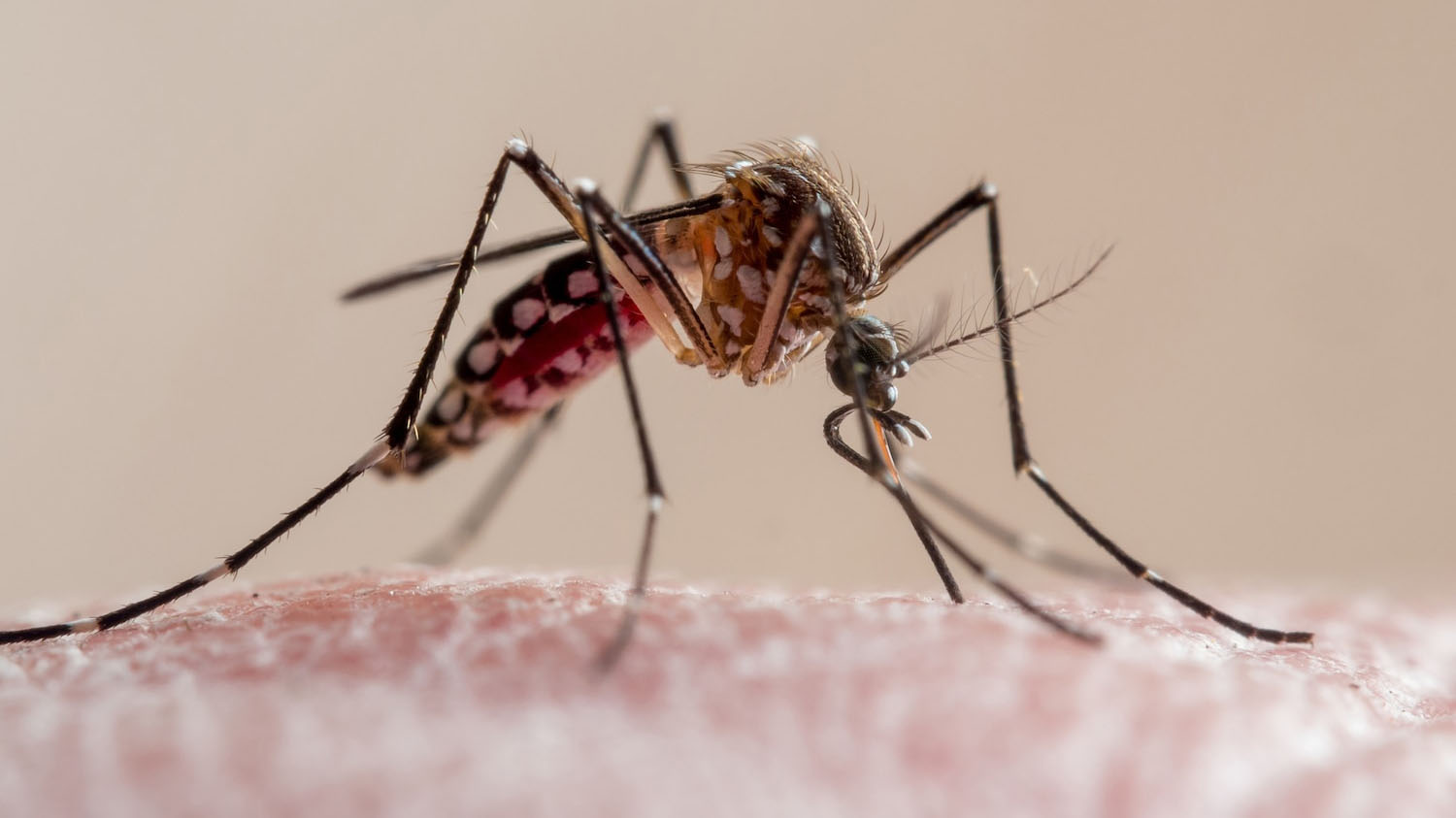
Dengue viruses are spread through bites from infected Aedes species mosquitoes, mostly found in tropical and subtropical regions, according to the CDC. These mosquitoes are also responsible for spreading Zika and chikungunya viruses.
Dengue can be caused by dengue virus strains 1, 2, 3 or 4. A person also can be infected with dengue multiple times over the course of their life.
About one in four people who contract dengue develop symptoms which typically last two to seven days and are usually mild. This may include fever, rash, nausea, vomiting, muscle pain, joint pain and bone pain.
About one in 20 infected people will develop severe dengue, which can lead to shock, internal bleeding and, in some cases, death, the CDC said.
There are no disease-specific treatments for dengue. The CDC recommends rest, fluids and over-the-counter medications to relieve symptoms. Patients with severe illness often need to be hospitalized and receive additional supportive treatments, such as intravenous fluids.
The CDC warns patients not to take aspirin or ibuprofen; it can trigger inflammation or bleeding of the stomach lining.
Currently, there is no dengue vaccine available in the U.S. In 2021, the U.S. Food and Drug Administration approved a vaccine for children between ages 9 and 16 who have a laboratory-confirmed previous dengue virus infection and live in areas where dengue is endemic, but it has since been discontinued.
Methods to help prevent dengue infection include using effective mosquito repellents, wearing long-sleeve shirts and long pants when outside and staying in places with air conditioning when possible. The CDC also recommends emptying containers of still or stagnant water to eliminate places where mosquitos can breed.
ABC News' Youri Benadjaoud contributed to this report.
Copyright © 2026, ABC Audio. All rights reserved.